Source Adjustable Comfortable Dining Chair for Hotels, Homes, and Cafes
Explore 30 options for an adjustable comfortable dining chair suitable for hotels, homes, and cafes. Compare modern designs, materials like metal and wood, and customization features to find the right fit for your commercial or residential needs; compare the available evidence and request quotations based on your requirements.
Key considerations
Products List


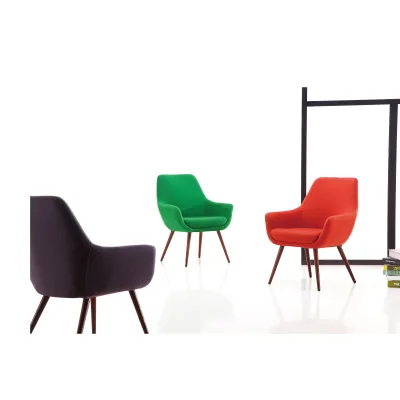


Comprehensive Sourcing Guide
Adjustable Comfortable Dining Chair Sourcing Guide
Sourcing adjustable comfortable dining chairs requires balancing ergonomic functionality with the structural integrity needed for high-traffic commercial environments. The observed market data indicates a diverse range of options, including models with fixed rotary mechanisms and others designed for specific applications like hotel dining rooms or home offices. Buyers must carefully distinguish between chairs that offer true adjustability and those that are merely static, as the term "adjustable" often implies specific mechanical features that are not universally present in all listed inventory.
Procurement decisions should be grounded in the specific usage scenarios identified in current listings, such as dining rooms, kitchens, and cafes. While some products are marketed for general leisure or study, the core requirement for a dining chair involves durability and stability under repeated use. Buyers should verify that the selected model supports the intended load and frequency of use, ensuring that the "adjustable" claim aligns with the actual mechanical design, whether it involves height customization or other ergonomic modifications.
Product Scope and Observed Listing Signals
The current product landscape for dining chairs reveals a mix of materials, including metal, wood, and fabric, which significantly impacts the final selection criteria. Listings show a prevalence of rectangular and round shapes, with styles ranging from modern to contemporary designs. Some products are explicitly marked as customized, while others are standard non-customized items, requiring buyers to clarify their specific branding or dimensional needs before placing orders. The presence of "unfolded" or "no fold" attributes suggests that many units are designed for permanent placement rather than temporary storage.
Price and minimum order quantity (MOQ) signals vary widely, with observed prices ranging from $1.9 to $79.9 and MOQs starting as low as one unit or scaling up to 200 pieces. This variance suggests a market catering to both small boutique orders and large-scale commercial procurement. Buyers must analyze the relationship between price points and material quality, noting that heavier units, such as those weighing between 5kg and 15kg, often correlate with higher durability and more robust construction suitable for demanding hospitality environments.
Technical Specifications to Verify
Verifying technical specifications is critical when selecting chairs that claim to be adjustable or comfortable, as dimensions and structural details vary significantly across models. Buyers should confirm exact dimensions, such as the observed size of l66w66h85, and ensure that height customization options are clearly defined in the product data. The distinction between fixed rotary mechanisms and other movement types must be validated, as this directly affects the chair's stability and the user's ability to adjust seating positions comfortably during long dining sessions.
Material composition and weight are equally important factors that influence the chair's longevity and suitability for specific settings. While some listings specify metal or wood construction, others highlight fabric upholstery, which may require different maintenance protocols. Buyers must cross-reference the stated weight, such as the 6kg net weight observed in certain models, against the intended application to ensure the chair is neither too light for commercial use nor too heavy for easy reconfiguration. Confirming the packing method, whether box or carton, is also essential for logistics planning.
Compliance and Safety Documentation
Ensuring compliance with safety standards is a fundamental step in the procurement process, particularly for furniture intended for public or commercial use. Although specific certification names are not universally listed in the provided data, buyers must request documentation proving that the chairs meet relevant regional safety regulations for furniture stability and material toxicity. This is especially important for chairs used in hotels and restaurants, where high traffic and diverse user demographics increase the risk of accidents if the product fails to meet basic safety thresholds.
Documentation should also cover the origin and manufacturing standards of the product to verify that the supply chain adheres to ethical and quality benchmarks. The observed origin of Guangdong, China, indicates a specific manufacturing hub, but buyers should not assume compliance based solely on location. Instead, they must demand proof of adherence to international or local standards, ensuring that the materials used, such as the metal or wood components, are free from harmful substances and that the construction meets durability expectations for long-term commercial deployment.
Cost Drivers and Commercial Terms
Understanding the cost drivers behind dining chair pricing is essential for negotiating favorable commercial terms and managing budget constraints. Factors such as material selection, customization levels, and the complexity of the adjustable mechanism play a significant role in determining the final unit cost. Buyers should analyze how the observed price range of $1.9 to $79.9 correlates with these variables, recognizing that higher prices often reflect superior materials, more intricate designs, or the inclusion of custom branding and packaging solutions.
Commercial terms, including minimum order quantities and delivery lead times, must be clearly defined to avoid supply chain disruptions. The observed MOQs range from single items to 100 pieces per color, and lead times can extend from 25 to 35 days, depending on the order volume and customization requirements. Buyers should factor in these timelines when planning inventory replenishment, ensuring that the supplier can meet demand without compromising on quality or incurring excessive expedited shipping costs that could erode profit margins.
Supplier Qualification and Quality Control
Supplier qualification involves a rigorous assessment of the manufacturer's capability to deliver consistent quality and adhere to agreed-upon specifications. Buyers should verify the supplier's track record in producing furniture for the hospitality and commercial sectors, as this experience often correlates with a deeper understanding of durability and user comfort requirements. The presence of sample acceptance policies in the market data suggests that buyers should request physical samples to evaluate the build quality, finish, and ergonomic features before committing to a larger order.
Quality control protocols must be established to ensure that every unit meets the defined standards for weight, dimensions, and material integrity. Given the observed weight variations and material types, buyers should implement a sampling plan that tests for structural stability and finish consistency. It is also crucial to confirm that the supplier has a robust process for handling defects and that they provide clear documentation regarding the production standards and testing procedures used to validate the safety and longevity of the dining chairs.
Long-Term Procurement Checks
Establishing long-term procurement checks is vital for maintaining product consistency and ensuring that the dining chairs continue to meet operational needs over time. Buyers should schedule regular quality audits to verify that the materials and construction methods remain unchanged, especially if the supplier introduces new batches or modifies the design. This proactive approach helps prevent issues such as material degradation or mechanical failure that could arise from subtle changes in the manufacturing process or supply chain.
Continuous monitoring of supplier performance and market trends is also necessary to adapt to evolving consumer preferences and industry standards. Buyers should track changes in lead times, pricing, and available customization options to ensure that their procurement strategy remains competitive and responsive to market demands. By maintaining open communication with suppliers and regularly reviewing product performance in real-world settings, buyers can secure a reliable supply of comfortable, durable dining chairs that support their business objectives for years to come.
FAQs
Can I customize the height of these dining chairs?
Yes, the height is fully customizable to meet your specific requirements. The product attributes indicate that the design allows for tailored dimensions, ensuring the chairs fit your space perfectly. This flexibility supports both home and commercial applications, allowing you to specify exact measurements during the ordering process.
What materials are used in these adjustable comfortable dining chairs?
These chairs utilize a combination of metal, fabric, and wood materials. The construction features a metal frame for durability and a fabric component for comfort. This multi-material approach ensures structural integrity while providing a modern aesthetic suitable for dining rooms, kitchens, and cafes, balancing strength with visual appeal.
What is the minimum order quantity for these chairs?
The minimum order quantity varies, with observed ranges from 1 to 200 units. Some listings specify an MOQ of 100 pieces per color, while others accept single item orders. Buyers should verify the specific MOQ with the supplier, as it depends on whether the order is customized or standard.
How are these dining chairs packaged for shipping?
The chairs are packaged in either boxes or cartons for safe transport. Specific models use carton packing, while others may use individual box packaging. This method protects the furniture during transit, ensuring the metal and fabric components remain undamaged. The packaging is designed to optimize loading quantities for efficient global shipping.
What is the typical delivery time for these chairs?
The typical delivery time ranges from 25 to 35 days. This lead time accounts for production and preparation for shipment. Buyers should plan their procurement schedule accordingly, as this duration applies to standard orders. Expedited options may be available depending on the supplier's current capacity and specific customization requirements.
Are these chairs suitable for commercial hotel use?
Yes, these chairs are explicitly designed for hotel, dining room, and restaurant use. Their durable construction and modern style make them ideal for commercial environments. The product attributes confirm their suitability for high-traffic areas, ensuring they can withstand frequent use while maintaining their aesthetic appeal in professional settings.